1Mapping the contamination
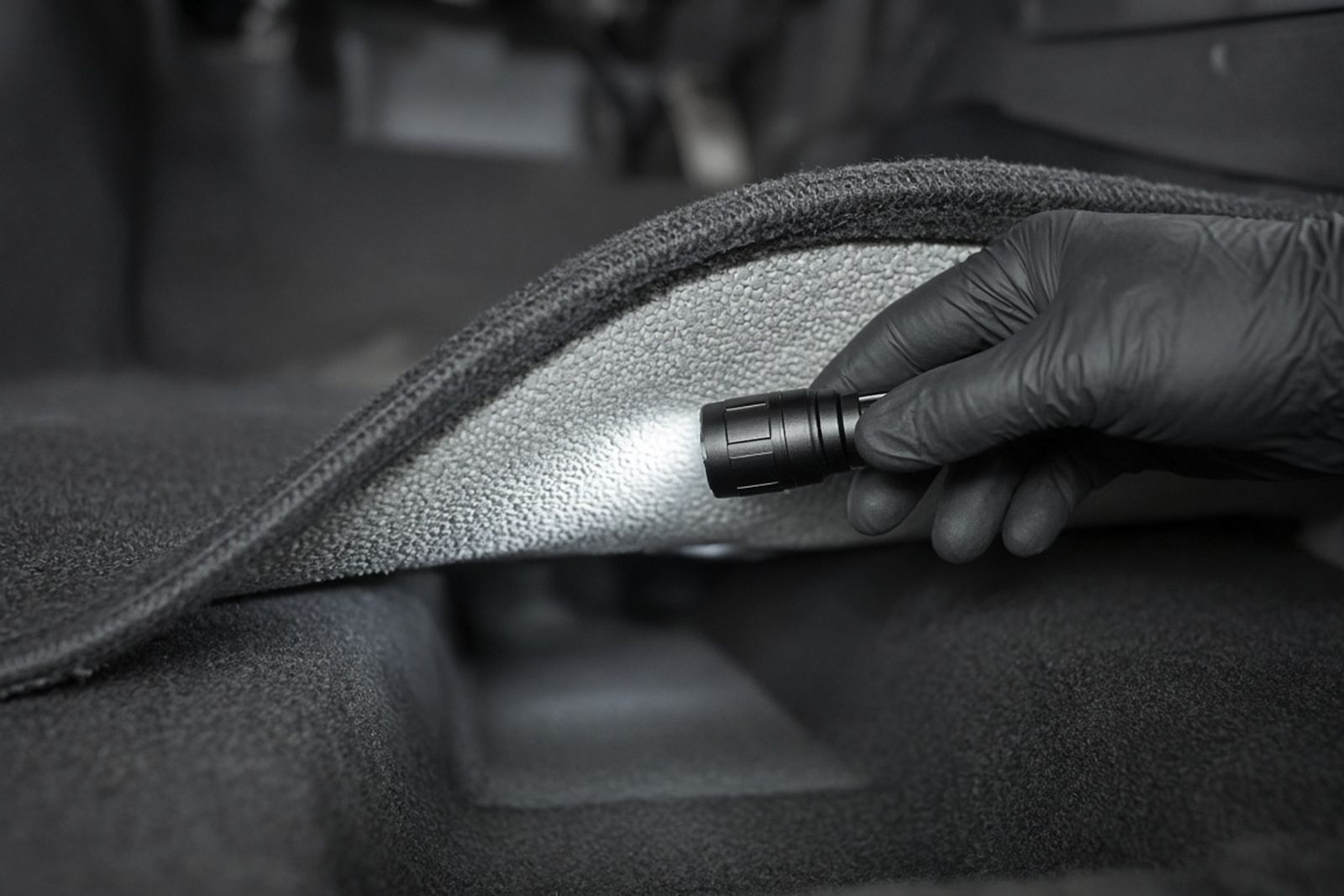
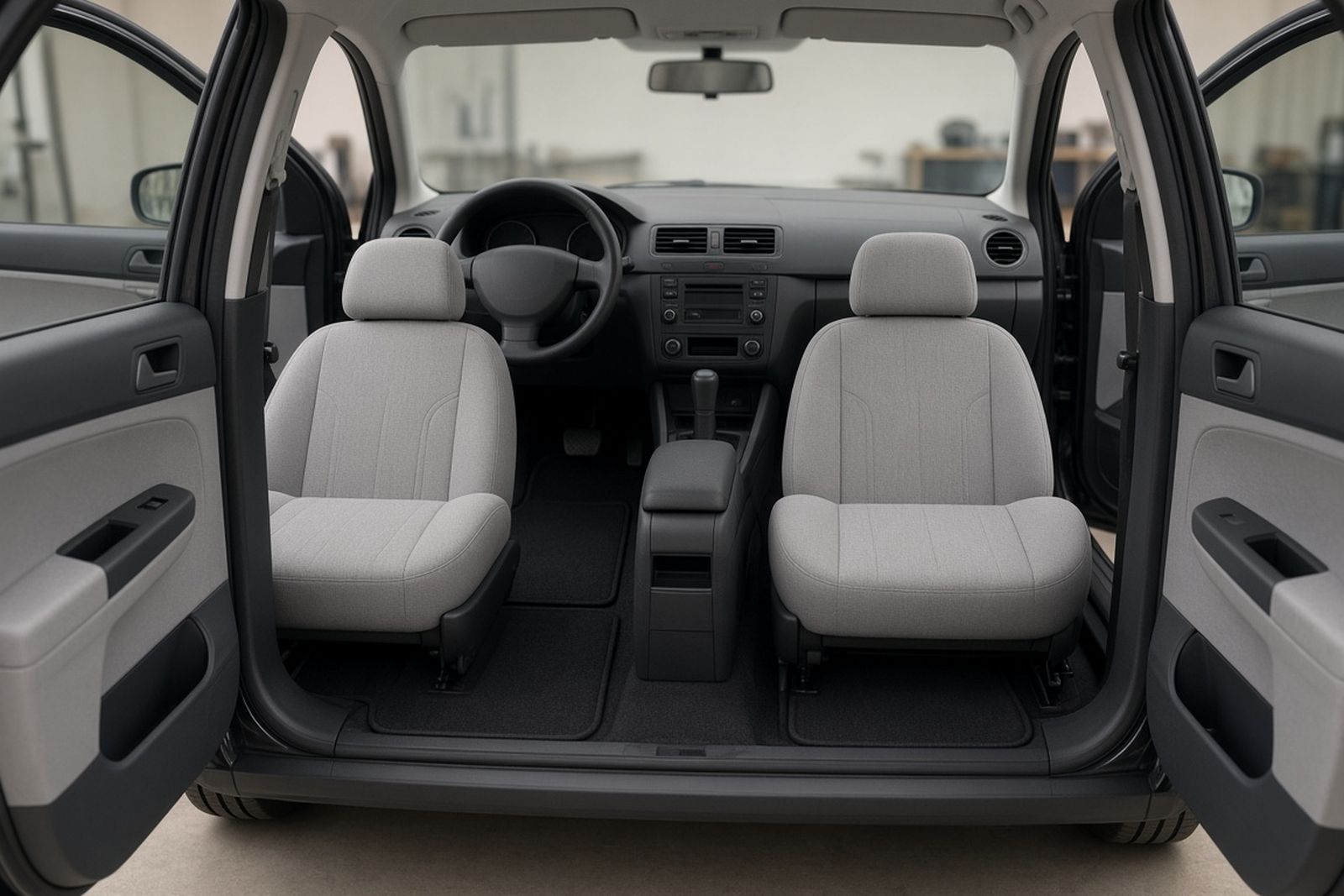
Inside a vehicle, what you can see is rarely the whole picture. Fluids pass through leather and cloth with tiny holes into the foam. They run along seat rails and soak the carpet and the padding under it. They can pool on the metal floor. Heat in a closed cabin speeds up germ growth. It also drives odor into the fabric ceiling and the air ducts. A worker maps the damage. They remove seat cushions and lift carpet at the edges. They check under seats and in door pockets for needles and other sharp objects. They also trace the air path to the cabin filter and fan. The map sets the scope of work. A quote given without that check is a guess. A plan that treats only the seat surface you can see will leave the source behind.
2Authority and ownership
A vehicle often has more than one party with a say. A lender that holds the title may need to be told before major parts are replaced. A leasing company or rental agency usually has its own rules and may not allow outside work. A rideshare app may have a reporting process that affects any payback. A fleet vehicle belongs to the company, so the safety manager approves the work, not the driver. If a death happened, police or a medical examiner may need to release the vehicle before anything is touched. Find out who can approve cleanup and who must be told before a seat comes out. Get that approval in writing.
3Containment and spread
A soiled cabin is a small space. It concentrates whatever gets stirred up inside it. Keep the vehicle closed and out of use. Tag it so no one drives it. Park it where curious people, children, and pets cannot get in. Do not move soiled items from the vehicle into a house, garage, or another vehicle. Do not share vacuums, brushes, or cloths between the soiled cabin and anything else. In a fleet, park the vehicle away from the wash bay used for clean vehicles. When the worker opens the cabin, the work area itself needs protection. That keeps runoff and debris from spreading across a driveway or parking lot into drains.
4Cleaning versus treatment versus replacement
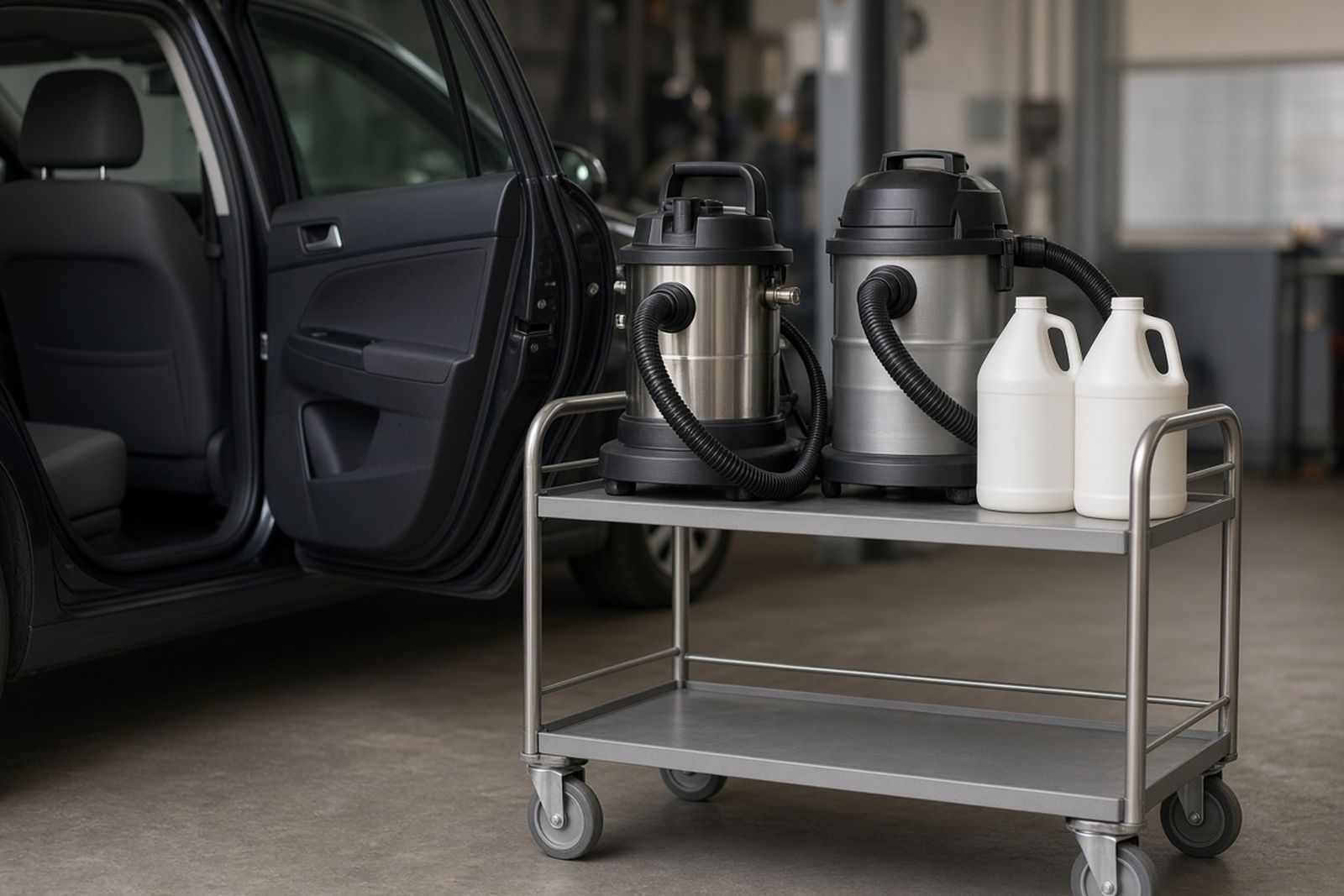
Three different things happen during a vehicle cleanup, and the scope should name each one. Cleaning removes visible dirt from hard surfaces such as plastics, glass, and sealed vinyl. Disinfecting comes after cleaning. It uses a product applied the way its label says, left wet for as long as the label requires. EPA-registered products are the standard to look for. Replacement is for soft parts that no one can confirm are clean. These include foam, cloth covers, carpet, padding, seat belt fabric, and sometimes the fabric ceiling. Odor treatment in a sealed cabin, with hydroxyl or ozone used under safety rules, comes last. It happens after the dirt and sources are gone. It does not replace removing them. A provider who wants to treat odor before deciding what to replace is working backward.
5The waste path
Foam, carpet, seat belts, and soft materials soaked with blood and other body fluids that can carry disease may count as regulated medical waste. Then they must be packed, labeled, and hauled by a licensed hauler with a waste shipping record. Material with only vomit or urine is often handled differently. Mixed cases need careful judgment. Needles or other sharp objects found under seats go into a hard, labeled container, never a bag. Fluids are soaked up and put in containers, not rinsed into a parking lot drain. Rules vary by state and county, so check with the local authority. A provider's scope should say which waste type each material falls into and who hauls it. You should get the disposal record. It backs up the claim and anything you tell a future buyer.
6Documentation and verification
A vehicle cleanup is done when the scope is complete and any parts that could not be cleaned have been replaced. The cabin must also pass an odor check with the doors closed, after the treatment has aired out. The file should include photos of the mess as it was found and photos of each part removed. It should list the product names and how long each disinfectant stayed wet. It should show the cabin filter was replaced. It should include the waste shipping record or disposal receipt and a written final note. An adjuster reviews that file to decide on a total loss. A fleet keeps it for safety records. A rideshare app may ask for it. And a future buyer can be shown it. Keep it with the title and service records.